Ford Ecosport: Cruise Control / Diagnosis and Testing - Cruise Control
DTC Chart: PCM
Diagnostics in this manual assume a certain skill level and knowledge of Ford-specific diagnostic practices.
REFER to: Diagnostic Methods (100-00 General Information, Description and Operation).
PCM DTC Chart
| DTC | Description | Action |
|---|---|---|
| P0504:00 | Brake Switch A/B Correlation: No Sub Type Information | GO to Pinpoint Test B |
| P0572:00 | Brake Switch "A" Circuit Low: No Sub Type Information | GO to Pinpoint Test B |
| P0573:00 | Brake Switch "A" Circuit High: No Sub Type Information | GO to Pinpoint Test B |
| P1703:00 | Brake Switch Out Of Self-Test Range: No Sub Type Information | GO to Pinpoint Test B |
| P1935:00 | Brake Switch/Sensor Signal: No Sub Type Information | GO to Pinpoint Test B |
| P0833:00 | Clutch Pedal Switch "B" Circuit: No Sub Type Information | GO to Pinpoint Test D |
| All other PCM Diagnostic Trouble Codes (DTCs) | |
|
DTC Chart: SCCM
Diagnostics in this manual assume a certain skill level and knowledge of Ford-specific diagnostic practices.
REFER to: Diagnostic Methods (100-00 General Information, Description and Operation).
SCCM DTC Chart
| DTC | Description | Action |
|---|---|---|
| B137F:11 | Steering Wheel Left Switch Pack: Circuit Short To Ground | GO to Pinpoint Test A |
| B137F:13 | Steering Wheel Left Switch Pack: Circuit Open | GO to Pinpoint Test A |
| B137F:4A | Steering Wheel Left Switch Pack: Incorrect Component Installed | GO to Pinpoint Test A |
| B137F:96 | Steering Wheel Left Switch Pack: Incorrect Component Internal Failure | GO to Pinpoint Test A |
| B137F:9E | Steering Wheel Left Switch Pack: Stuck On | GO to Pinpoint Test A |
| All other SCCM Diagnostic Trouble Codes (DTCs) | |
REFER to: Steering Wheel and Column Electrical Components (211-05 Steering Wheel and Column Electrical Components, Diagnosis and Testing). |
Symptom Chart(s)
Symptom Chart: Cruise Control
Diagnostics in this manual assume a certain skill level and knowledge of Ford-specific diagnostic practices.
REFER to: Diagnostic Methods (100-00 General Information, Description and Operation).
Symptom Chart
| Condition | Possible Sources | Actions |
|---|---|---|
| The cruise control is inoperative | Refer to the Pinpoint Test | GO to Pinpoint Test A |
| The cruise control indicator lamp is never/always on |
|
REFER to: Instrumentation, Message Center and Warning Chimes (413-01 Instrumentation, Message Center and Warning Chimes) . |
| The cruise control switch is inoperative/does not operate correctly | Refer to the Pinpoint Test | GO to Pinpoint Test A |
| The cruise control does not disengage when the clutch pedal is applied | Refer to the Pinpoint Test | GO to Pinpoint Test C |
| The Adjustable Speed Limiter (ASL) switch is inoperative/does not operate correctly | Refer to the Pinpoint Test | GO to Pinpoint Test E |
| The Adjustable Speed Limiter (ASL) is inoperative | Refer to the Pinpoint Test | GO to Pinpoint Test E |
| The Adjustable Speed Limiter (ASL) audible/message indicator does not operate correctly |
|
REFER to: Instrumentation, Message Center and Warning Chimes (413-01 Instrumentation, Message Center and Warning Chimes) . |
Pinpoint Tests
 PINPOINT TEST A: CRUISE CONTROL IS INOPERATIVE
 PINPOINT TEST A: CRUISE CONTROL IS INOPERATIVE
|
Refer to Wiring Diagrams Cell 31 for schematic and connector information. Normal Operation and Fault Conditions
REFER to: Steering Wheel and Column Electrical Components - System
Operation and Component Description (211-05 Steering Wheel and Column
Electrical Components, Description and Operation).
REFER to: Cruise Control - System Operation and Component Description (419-03 Cruise Control, Description and Operation). DTC Fault Trigger Conditions
Possible Sources
|
||||||||||||||||||||
| A1 CHECK THE STOPLAMP SWITCH (BOO1) AND CRUISE CONTROL DEACTIVATOR SWITCH (BOO2) PARAMETER IDENTIFICATIONS (PIDS) | ||||||||||||||||||||
Do the PID values agree with the brake pedal position?
|
||||||||||||||||||||
| A2 CHECK THE CPP (CLUTCH PEDAL POSITION) SWITCH (CPP_TOP) PID (PARAMETER IDENTIFICATION) | ||||||||||||||||||||
Does the PID value agree with the clutch pedal position?
|
||||||||||||||||||||
| A3 CHECK THE CPP (CLUTCH PEDAL POSITION) SWITCH (CPP_TOP) PID (PARAMETER IDENTIFICATION) | ||||||||||||||||||||
Does the PID read NO?
|
||||||||||||||||||||
| A4 CHECK FOR VOLTAGE TO THE CRUISE CONTROL SWITCH | ||||||||||||||||||||
|
Are the voltages approximately 5 volts?
|
||||||||||||||||||||
| A5 CHECK THE CRUISE A/D CHANNEL 2 CIRCUIT | ||||||||||||||||||||
Do all of the resistances fall within the specified ranges?
|
||||||||||||||||||||
| A6 CHECK THE CRUISE A/D CHANNEL 3 CIRCUIT | ||||||||||||||||||||
Do all the resistances fall within the specified range?
|
||||||||||||||||||||
| A7 CHECK THE STEERING WHEEL SWITCH HARNESS FOR AN OPEN | ||||||||||||||||||||
|
NOTE: The steering wheel harness is serviced separately.
Are the resistances less than 3 ohms?
|
||||||||||||||||||||
| A8 CHECK THE STEERING WHEEL SWITCH CIRCUITS THROUGH THE CLOCKSPRING FOR AN OPEN | ||||||||||||||||||||
|
NOTE: Connectors C218C and C218D are not part of a wire harness and are located behind the clockspring. The clockspring will need to be removed to access them.
Are the resistances less than 3 ohms?
|
||||||||||||||||||||
| A9 CHECK FOR CORRECT SCCM (STEERING COLUMN CONTROL MODULE) OPERATION | ||||||||||||||||||||
Is the concern still present?
|
||||||||||||||||||||
| A10 CHECK FOR CORRECT PCM (POWERTRAIN CONTROL MODULE) OPERATION | ||||||||||||||||||||
Is the concern still present?
|
 WARNING:
Turn the ignition OFF and wait one minute to deplete
the backup power supply. Failure to follow this instruction may result
in serious personal injury or death in the event of an accidental
deployment.
WARNING:
Turn the ignition OFF and wait one minute to deplete
the backup power supply. Failure to follow this instruction may result
in serious personal injury or death in the event of an accidental
deployment.


 Click here to access Guided Routine (PCM).
PINPOINT TEST B: BRAKE SWITCH P0504:00, P0572:00, P0573:00, P1703:00 OR P1935:00
Click here to access Guided Routine (PCM).
PINPOINT TEST B: BRAKE SWITCH P0504:00, P0572:00, P0573:00, P1703:00 OR P1935:00|
Refer to Wiring Diagrams Cell 31 for schematic and connector information. Normal Operation and Fault Conditions
REFER to: Cruise Control - System Operation and Component Description (419-03 Cruise Control, Description and Operation). DTC Fault Trigger Conditions
Possible Sources
NOTICE: Use the correct probe adapter(s) when making measurements. Failure to use the correct probe adapter(s) may damage the connector. |
||||||||||||||||||||||||||||||||||
| B1 CHECK THE OPERATION OF THE STOPLAMPS | ||||||||||||||||||||||||||||||||||
Do the stoplamps and high mounted stoplamp operate correctly?
|
||||||||||||||||||||||||||||||||||
| B2 CHECK THE STOPLAMP SWITCH (BOO1) AND CRUISE CONTROL DEACTIVATOR SWITCH (BOO2) PARAMETER IDENTIFICATIONS (PIDS) | ||||||||||||||||||||||||||||||||||
Do the Parameter Identification (PID) values agree with the brake pedal position?
|
||||||||||||||||||||||||||||||||||
| B3 CHECK THE STOPLAMP SWITCH CIRCUIT | ||||||||||||||||||||||||||||||||||
Is the voltage greater than 11 volts?
|
||||||||||||||||||||||||||||||||||
| B4 CHECK THE CRUISE CONTROL DEACTIVATOR SWITCH FOR CORRECT OPERATION | ||||||||||||||||||||||||||||||||||
Is the resistance less than 3 ohms with the brake pedal released and greater than 10,000 ohms with the brake pedal firmly applied?
|
||||||||||||||||||||||||||||||||||
| B5 CHECK THE CRUISE CONTROL DEACTIVATOR SWITCH GROUND CIRCUIT FOR AN OPEN | ||||||||||||||||||||||||||||||||||
Is the resistance less than 3 ohms?
|
||||||||||||||||||||||||||||||||||
| B6 CHECK THE CRUISE CONTROL DEACTIVATOR SWITCH SIGNAL CIRCUIT FOR A SHORT TO GROUND | ||||||||||||||||||||||||||||||||||
Is the resistance greater than 10,000 ohms?
|
||||||||||||||||||||||||||||||||||
| B7 CHECK THE CRUISE CONTROL DEACTIVATOR SWITCH SIGNAL CIRCUIT FOR AN OPEN | ||||||||||||||||||||||||||||||||||
Is the resistance less than 3 ohms?
|
||||||||||||||||||||||||||||||||||
| B8 CHECK FOR CORRECT PCM (POWERTRAIN CONTROL MODULE) OPERATION | ||||||||||||||||||||||||||||||||||
Is the concern still present?
|
 PINPOINT TEST C: THE CRUISE CONTROL DOES NOT DISENGAGE WHEN THE CLUTCH PEDAL IS APPLIED
|
Refer to Wiring Diagrams Cell 31 for schematic and connector information. Normal Operation and Fault Conditions
REFER to: Cruise Control - System Operation and Component Description (419-03 Cruise Control, Description and Operation). Possible Sources
|
||||||||||
| C1 CHECK THE CPP (CLUTCH PEDAL POSITION) CRUISE CONTROL SWITCH (CPP_TOP) PID (PARAMETER IDENTIFICATION) | ||||||||||
Does the PID value read "YES" with the clutch pedal applied?
|
||||||||||
| C2 CHECK THE CPP (CLUTCH PEDAL POSITION) CRUISE CONTROL SWITCH | ||||||||||
Does the PID value read YES?
|
||||||||||
| C3 CHECK THE CPP (CLUTCH PEDAL POSITION) CRUISE CONTROL SWITCH GROUND CIRCUIT FOR AN OPEN | ||||||||||
Does the PID value read YES?
|
||||||||||
| C4 CHECK THE CPP (CLUTCH PEDAL POSITION) CRUISE CONTROL SWITCH SIGNAL CIRCUIT FOR AN OPEN | ||||||||||
Is the resistance less than 3 ohms?
|
||||||||||
| C5 CHECK FOR CORRECT PCM (POWERTRAIN CONTROL MODULE) OPERATION | ||||||||||
Is the concern still present?
|
PINPOINT TEST D: CLUTCH PEDAL SWITCH "B" CIRCUIT P0833|
NOTE: Jump (push) starting the engine will cause an engine RPM correlation error when the engine rotates without a starter motor crank command. Incorrectly installed or aftermarket alarm systems may also induce this fault. Refer to Wiring Diagrams Cell 31 for schematic and connector information. Normal Operation and Fault Conditions
REFER to: Cruise Control - System Operation and Component Description (419-03 Cruise Control, Description and Operation). DTC Fault Trigger Conditions
Possible Sources |
||||||||||
| D1 CHECK THE CPP (CLUTCH PEDAL POSITION) CRUISE CONTROL SWITCH (CPP_TOP) PID (PARAMETER IDENTIFICATION) | ||||||||||
Does the PID value read "YES" with the clutch pedal applied and "NO" with the clutch pedal released?
|
||||||||||
| D2 CHECK THE CPP (CLUTCH PEDAL POSITION) SWITCH SIGNAL CIRCUIT FOR A SHORT TO GROUND | ||||||||||
Is the resistance greater than 10,000 ohms?
|
||||||||||
| D3 CHECK THE CPP (CLUTCH PEDAL POSITION) CRUISE CONTROL SWITCH SIGNAL CIRCUIT FOR A SHORT TO GROUND | ||||||||||
Is the resistance greater than 10,000 ohms?
|
||||||||||
| D4 RECHECK THE PCM (POWERTRAIN CONTROL MODULE) DIAGNOSTIC TROUBLE CODES (DTCS) | ||||||||||
Are any PCM Diagnostic Trouble Codes (DTCs) recorded?
|
||||||||||
| D5 CHECK FOR CORRECT PCM (POWERTRAIN CONTROL MODULE) OPERATION | ||||||||||
Is the concern still present?
|
PINPOINT TEST E: THE ADJUSTABLE SPEED LIMITER (ASL) IS INOPERATIVE|
Refer to Wiring Diagrams Cell 31 for schematic and connector information. Normal Operation and Fault Conditions
REFER to: Cruise Control - System Operation and Component Description (419-03 Cruise Control, Description and Operation).
REFER to: Steering Wheel and Column Electrical Components - System
Operation and Component Description (211-05 Steering Wheel and Column
Electrical Components, Description and Operation). Possible Sources
|
||||||||||||||||
| E1 CHECK FOR VOLTAGE TO THE CRUISE CONTROL LIM ON/OFF SWITCH | ||||||||||||||||
|
Are the voltages approximately 4.9 volts?
|
||||||||||||||||
| E2 CHECK THE STEERING WHEEL SWITCH HARNESS FOR AN OPEN | ||||||||||||||||
|
NOTE: The steering wheel harness is serviced separately.
Are the resistances less than 3 ohms?
|
||||||||||||||||
| E3 CHECK THE CRUISE CONTROL LIM ON/OFF CIRCUIT OF THE CLOCKSPRING | ||||||||||||||||
Are the resistances less than 3 ohms?
|
||||||||||||||||
| E4 CHECK FOR CORRECT ADJUSTABLE SPEED LIMITER (ASL) OPERATION | ||||||||||||||||
Is the concern still present?
|
||||||||||||||||
| E5 CHECK FOR CORRECT SCCM (STEERING COLUMN CONTROL MODULE) OPERATION | ||||||||||||||||
Is the concern still present?
|


Other information:
Ford Ecosport 2014-2026 Service and Repair Manual: Removal and Installation - Electric Booster Heater
Special Tool(s) / General Equipment Interior Trim Remover Removal NOTE: Removal steps in this procedure may installation details. Remove the floor console upper trim panel. Disconnect the electrical connectors. Use the General Equipment: Interior Trim Remover Remove the RH cover and..
Ford Ecosport 2014-2026 Service and Repair Manual: Removal and Installation - Headliner - Lowering
Remove the following items: On both sides. Remove the A-pillar trim panel. Refer to: A-Pillar Trim Panel (501-05 Interior Trim and Ornamentation, Removal and Installation). On both sides. Remove the B-pillar trim panel. Refer to: B-Pillar Trim Panel (501-05 Interior Trim and Ornamentation, Removal and Installation). On both sides. Remove th..
Categories
- Manuals Home
- 2nd Gen Ford Ecosport Service Manual (2014 - 2026)
- Diagnosis and Testing - Evaporative Emissions
- Engine
- Automatic Transmission - 6-Speed Automatic Transmission – 6F35
- Removal and Installation - Body Control Module (BCM)
- Removal and Installation - Transmission
Removal and Installation - Steering Column Shaft
Removal
NOTE: Removal steps in this procedure may contain installation details.
NOTICE: Do not allow the steering column to rotate while the steering column shaft is disconnected or damage to the steering column internal sensor may result.
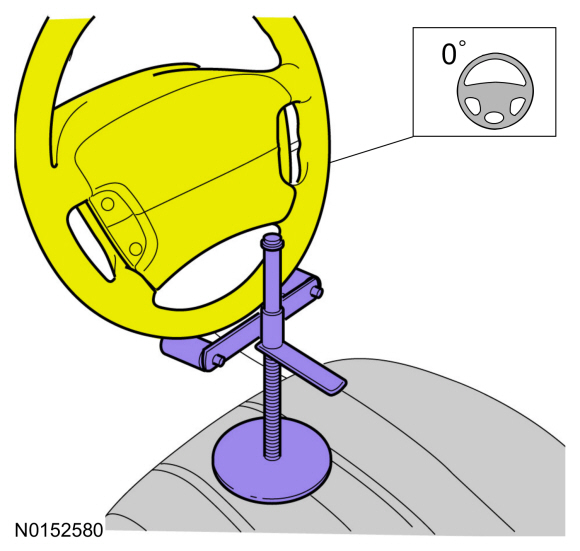
NOTE: Use a steering wheel holding device (such as Hunter® 28-75-1 or equivalent)
Hold the steering wheel in the straight-ahead position.